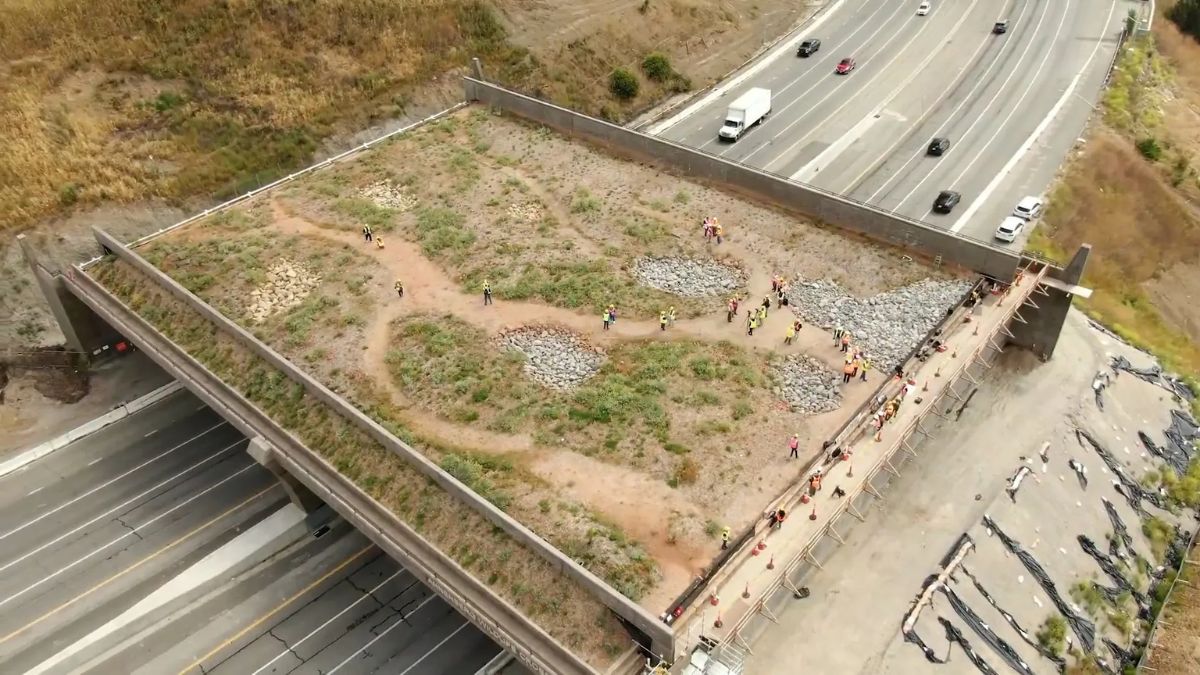
Picture a massive highway buzzing with traffic suddenly becoming a safe pathway for wildlife in peril. The Wallis Annenberg Wildlife Crossing, recognized as the world’s largest structure of its type, is poised to welcome animals starting December 2 following years of dedicated effort, setbacks, and remarkable achievements. Located in Agoura Hills, this innovative overpass will link divided habitats, offering crucial protection to Southern California’s vulnerable mountain lion populations.
Officials unveiled the opening date at an Earth Day event, celebrating the culmination of a demanding 4.5-year construction phase. Stretching across the congested 101 Freeway, this isn’t merely an overpass—it’s a transformative link fostering harmony between urban development and the natural world.


Discovering the Wallis Annenberg Wildlife Crossing
The Wallis Annenberg Wildlife Crossing represents a pinnacle of wildlife conservation efforts. Straddling the 101 Freeway in Agoura Hills, California, the primary section is nearly finished, adorned with native plants that replicate the surrounding landscape for seamless animal passage.
Final phases involve building an additional span over Agoura Road and connecting both sides to adjacent natural areas. This design ensures safe movement for creatures, shielding them from the dangers of high-speed vehicles below.
Engineers have meticulously crafted the structure to blend invisibly with the environment, using soil, vegetation, and contours that mimic undisturbed terrain. This approach not only attracts wildlife but also maintains ecological integrity.
Reviving Mountain Lion Populations Through Connectivity
In Southern California, mountain lions grapple with severe isolation caused by expanding cities and major roadways. This fragmentation promotes inbreeding, resulting in genetic defects, reduced fitness, and dwindling numbers.
The crossing addresses this by creating a secure route across the 101 Freeway, reuniting populations on opposite sides. Such linkage promotes gene flow, enhancing resilience and averting local extinction.
Conservationists highlight that without intervention, these apex predators could vanish from the region within decades. The bridge offers a beacon of hope, potentially stabilizing and growing the population long-term.
Key Threats to Mountain Lions
- Habitat loss from development
- Vehicle collisions on freeways
- Limited genetic diversity leading to health issues
Supporting a Wide Array of Wildlife Species
The benefits extend far beyond mountain lions. Numerous animals hit by cars on the 101 will find refuge via this elevated pathway. Its broad design accommodates various sizes and behaviors.
Here’s who stands to gain the most:
- Black bears: Frequently wandering into human areas, they’ll navigate safely.
- Bobcats: Territorial hunters requiring expansive ranges for survival.
- Foxes and coyotes: Nimble predators prone to fatal road encounters.
- Mule deer: Migratory grazers with elevated risks during seasonal movements.
This inclusive strategy promotes overall ecosystem health, reducing roadkill and preserving biodiversity in a rapidly urbanizing landscape.
From Groundbreaking to Grand Opening: A Timeline
Work began in 2022 with an expected completion by 2025, but the project’s scale—fashioning a thriving green expanse over a vital artery—introduced unforeseen complexities.
The core 10-lane section now boasts full landscaping, with finishing touches imminent. Team leaders shared their excitement: “What an incredible path we’ve traveled! We’re eager to share the celebration.”
Mark your calendars for December 2, when the public can join the official unveiling, witnessing history in the making.
Wildlife Activity Before Official Launch
Even incomplete, the crossing draws nature’s interest. Beth Pratt from the National Wildlife Federation noted bustling activity on the span.
“Multiple butterfly species have been spotted here,” she observed. “Birds like red-tailed hawks and American kestrels are already scouting the area.”
These early visitors demonstrate the structure’s innate appeal, forecasting heavy use once fully integrated with habitats.
Navigating Delays, Costs, and Criticisms
Like many ambitious endeavors, the wildlife bridge faced backlash, particularly from those questioning taxpayer funds. Original projections: $90 million and a 2025 debut.
Costs climbed to $114 million, sourced from private gifts and grants. Officials countered skeptics by detailing the intricacies involved.
Factors Contributing to Extensions
- Extreme rainfall in 2023-2024 flooded the site repeatedly.
- Supply chain issues and inflation inflated expenses.
- Technical demands: Precision engineering amid constant traffic flow.
“Critics simplify a multifaceted challenge. This transcends typical infrastructure,” the team affirmed, redirecting focus to its vital mission.
Community Role and Lasting Legacy
Public participation enhances the project. Vote now on the inaugural crosser, injecting excitement into the event.
This wildlife corridor pioneers urban-nature integration, curbing fragmentation and collisions. It models solutions for global cities.
Anticipated outcomes include thriving mountain lions, revitalized biodiversity, and inspiration for similar initiatives. Funded collaboratively, it debunks inefficiency claims through ingenuity.
The Broader Ecological Significance in California
California’s growth severs wildlife routes, heightening extinction threats. The 101 epitomizes such divides.
The Wallis Annenberg Wildlife Crossing—the globe’s biggest—restores connectivity, harmonizing progress with preservation. Early signs from insects to raptors bode well.
Fully operational, it’ll amplify advantages, securing a dynamic future for regional wildlife amid human expansion.
In summary, the December 2 debut of the world’s largest wildlife crossing triumphs for environmental stewards, innovators, and nature enthusiasts. More than steel and soil, it’s a vital artery mending fractured realms. As creatures traverse, it underscores that intentional infrastructure heals divides, igniting optimism for imperiled wildlife globally. Watch for first-crossing highlights!