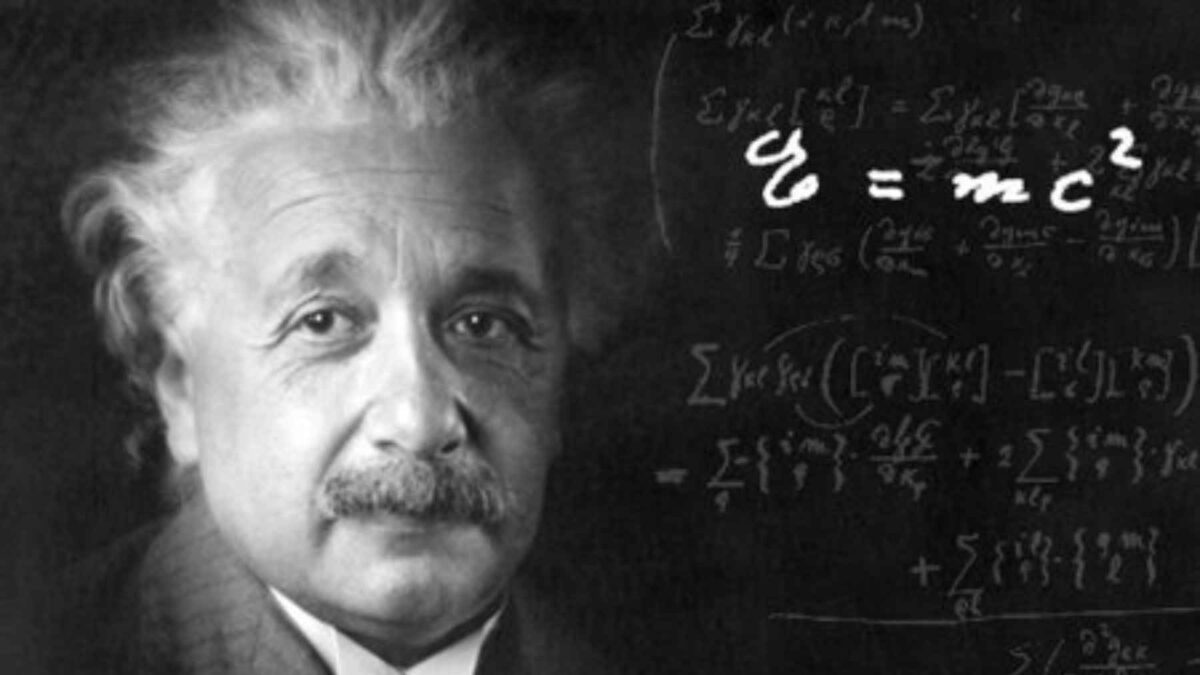
Imagine balancing on a bicycle at a standstill—your body sways, feet dangle precariously, and collapse feels inevitable. Now picture gliding forward effortlessly, stability emerging from motion alone. This is the profound insight in Albert Einstein‘s timeless words: “Life is like riding a bicycle: to keep your balance, you have to keep moving.” Often shared as motivational gold, this quote hides a deeply personal origin, far from the dramatic 1900 scene many envision.
Far from a public proclamation by a young genius, it sprang from a tender 1930 letter to his son Eduard amid personal struggles. This intimate context transforms it from abstract philosophy into practical fatherly advice. In this post, we’ll dive into its authentic roots, unpack the bicycle metaphor‘s enduring power, and reveal how it fuels modern resilience strategies for everyday challenges.



The Real Story Behind Einstein’s Bicycle Quote
Popular lore pins the quote to 1900, casting Einstein as a budding scientist imparting wisdom to his young son. Scholarly research, including a 2021 analysis by Marie Bassford from De Montfort University, corrects this to a specific 1930 letter written to Eduard Einstein.
Eduard grappled with mental health issues, making his father’s encouragement especially poignant. The original German phrasing—“Beim Menschen ist es wie beim Velo. Nur wenn er faehrt, kann er bequem die Balance halten”—translates roughly to “With people, it’s like with a bicycle. Only when it’s moving can it easily maintain balance.”
This direct, folksy tone reflects everyday insight rather than lofty theory. Over time, English adaptations polished it into the viral slogan we know, stripping some raw humanity but amplifying its appeal.
Context of Eduard’s Life and Einstein’s Intent
Eduard, Einstein’s second son, showed early promise but later faced schizophrenia, leading to institutionalization. The letter aimed to inspire persistence during dark times, highlighting motion as key to stability.
Einstein’s choice of a bicycle—a common 1930s mode of transport—made the advice relatable and immediate. It wasn’t meant for posters but for one boy’s resilience.
Why the Bicycle Metaphor Sticks in Our Minds
At its core, a bicycle defies gravity through forward momentum. Gyroscopic forces from spinning wheels, combined with subtle steering, create equilibrium that vanishes when stopped.
Life mirrors this: stagnation breeds chaos, while progress—even slow—restores poise. Einstein’s analogy taps into universal experience, explaining its spread across cultures and eras.
- Instability at rest: Like a parked bike tipping over, life’s pauses amplify doubts and setbacks.
- Adaptive steering: Minor corrections keep you upright, just as daily habits navigate obstacles.
- Momentum’s magic: Speed builds confidence, turning vulnerability into mastery.
This simplicity packs physics and psychology into one vivid image, making it perfect for SEO-friendly inspiration searches like “Einstein bicycle quote meaning.”
Interpreting “Keep Moving” Beyond the Rush
Many read “keep moving” as a hustle mandate, but Einstein envisioned gentle pedaling. A novice rider wobbles yet progresses by leaning into turns and building speed gradually.
Progress needn’t be sprinting; it’s about consistent nudges forward. As motivational thinkers note, the metaphor embraces life’s bumps, urging rhythm over perfection.
When stuck, redefine motion: a short walk, a journal entry, or reaching out to a friend. These spark the balance Einstein described without burnout.
Linking Einstein’s Insight to Resilience Science
Modern psychology validates the bicycle metaphor through resilience research. The CDC describes resilience as adapting to stress via active strategies, much like bike handling.
A 2016 CDC study found 84% face trauma, yet most recover by “moving forward” with coping tools. Einstein intuitively captured this dynamic process decades earlier.
Science-Backed Pillars of Resilience
- Support networks: Act as training wheels, steadying during wobbles.
- Coping actions: Small, deliberate steps mimic steering tweaks.
- Purposeful drive: Provides pedaling power against inertia.
- Self-belief: Grows with practice, like graduating from tricycle to two wheels.
The American Psychiatric Association echoes this: resilience evolves lifelong. Einstein’s words predate these findings, proving their scientific prescience.
How Social Media Twists Iconic Quotes
Online sharing supercharges quotes but breeds errors. Einstein’s line gets dated to 1900 for drama, shortened for punch, and generalized from “people” to “life.”
These changes boost virality—“keep moving quote” trends easily—but erode context. The personal letter becomes existential mantra, losing paternal warmth.
Awareness of this evolution helps us reclaim accuracy. Search “Einstein quote origin” to separate fact from meme-fueled myth.
Digital Tools for Verifying Einstein’s Words
The Einstein Papers Project, a collaboration between Hebrew University and Caltech, digitized 80,000+ documents since 2012. Volumes up to 1930 include the letter, with an expanding online portal.
These archives let anyone verify claims instantly. The Collected Papers of Albert Einstein serves as the gold standard, combating digital distortions.
Such resources democratize history, ensuring quotes like this endure truthfully.
Putting the Bicycle Metaphor into Daily Practice
Harness this wisdom practically across life areas. In careers, “keep moving” means one LinkedIn update or skill course amid job hunts.
For wellness, it’s daily stretches or therapy check-ins building health momentum. Relationships thrive via open talks preventing emotional stalls.
- Career ruts: Network weekly to regain traction.
- Fitness goals: Short workouts compound into endurance.
- Mental hurdles: Mindfulness apps steady inner balance.
- Learning curves: Daily reading turns novices expert.
Risk exists in motion—falls teach—but stasis guarantees downfall. View corrections as upgrades.
Conclusion: Embrace Einstein’s Blueprint for Balance
Albert Einstein‘s bicycle quote, rooted in a 1930 letter to Eduard, offers a masterclass in resilience. It reminds us balance demands ongoing, adaptable motion—not stasis or frenzy.
In a world preaching hustle, this urges sustainable pedaling through ups and downs. Honor its origins: next challenge, channel Einstein, keep moving, and watch stability emerge. Your path awaits—one revolution at a time.